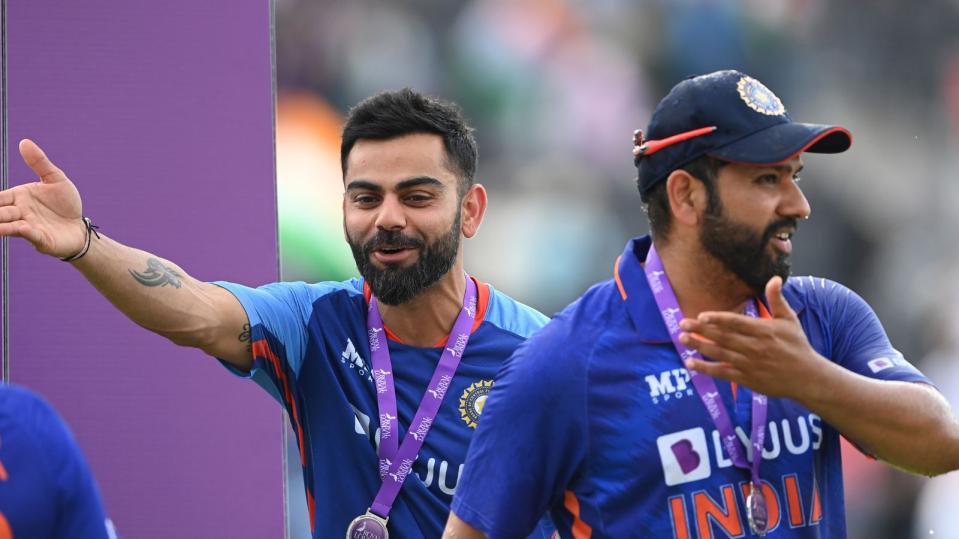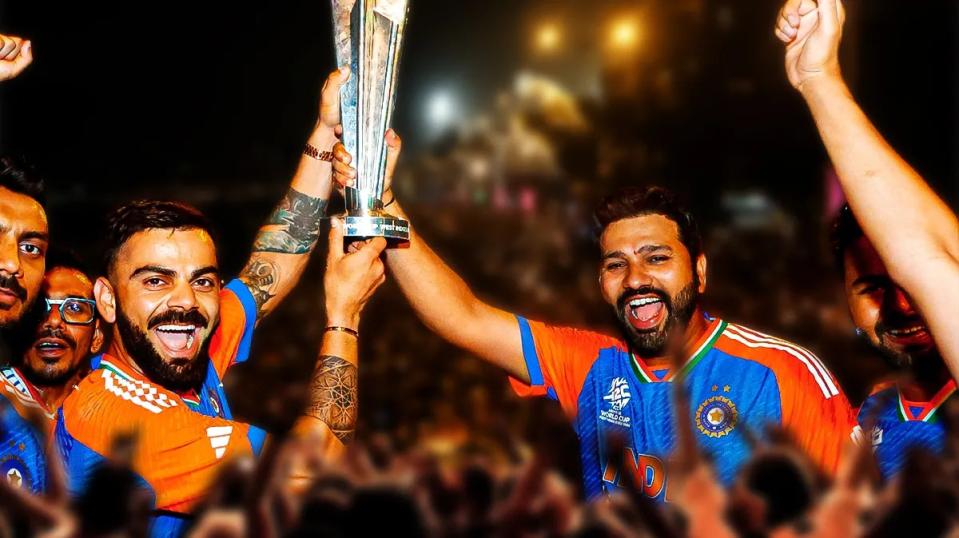
The dust has settled on the jubilant celebrations of Barbados. Yet, the silence left by two titans remains deafening. For over a decade, Indian cricket supporters have rested their hopes on the broad shoulders of Rohit Sharma and Virat Kohli.
This duo defined an era of dominance, resilience, and sheer will. As the focus shifts to the 2026 T20 World Cup, a new dawn breaks over the Men in Blue. However, it brings a stark and unfamiliar landscape. The transition does not merely swap names on a team sheet.
It requires a total rethink of what we expect from the side. Fans once relied on the safety net these legends provided. Now, they must brace themselves for a volatile and uncertain future. The old rules of engagement no longer apply.
The Leadership Void in High-Pressure Chases
Virat Kohli did not just score runs. He engineered victories with the precision of a grandmaster. His departure leaves a massive hole in high-stakes run chases. Statistics alone cannot explain this loss. For years, the "Kohli Factor" served as India's ultimate insurance policy.
This psychological buffer allowed the team to believe victory was possible from any position. In T20 Internationals, his average in successful run chases hovered near 67. This figure speaks of grit as much as skill.
Without his consistent hand at number three, the middle order lacks a proven way to build an innings. The new crop of batters is talented. However, they haven't yet shown they can handle the heat and keep the scoreboard ticking. They still need to learn how to close out a game without panicking.
The Loss of Rohit’s Powerplay Dominance
Rohit Sharma transformed the art of opening in T20 cricket. In his final years, he sacrificed personal milestones for team momentum. His brutal 92 against Australia in the 2024 World Cup proves this. The former Indian captain followed a selfless philosophy that put the team's tempo above everything else.
This approach rattled bowlers before they could even get into their rhythm. He often put the game to bed in the first six overs. Trying to replace this specific brand of aggression is risky. Younger openers have the shots.
However, only hundreds of matches can give someone Rohit’s tactical brain. He knew exactly when to go big and which bowler to go after. The risk remains that the new top order might throw their wickets away trying to copy his strike rate. This could leave the lower half exposed far too early.
Why the "Aggressive Approach" Might Lead to Batting Collapses?
India’s new plan is built on non-stop attacking. This high-risk, high-reward style doesn't leave much room for second-guessing. Since the veteran anchors are gone, this "all-out" mindset makes the team vulnerable to quick collapses.
It used to be that Kohli or Rohit would steady the ship if the openers fell. They would rebuild before going for a big finish. The current batters have grown up on a diet of T20 league cricket. They usually only have one gear: full throttle.
So, fans might see days where India posts 240. However, they should also be ready for days when the team gets rolled for 120. Consistency was the trademark of the old era; it is now the first casualty of this evolution.
The New Faces Who Have to Fill Impossible Shoes
The weight of expectation now sits on younger shoulders. Players like Tilak Varma and Yashasvi Jaiswal must take over roles that have become legendary. Varma shows signs of having the right mindset. Still, a World Cup is a completely different level of pressure.
We can't expect these kids to be carbon copies of the legends who came before them. They will fail and struggle. They need space to figure out who they are as players.
The truth is, there is no "next Kohli" or "next Rohit." We have to judge these new players on their own performances. However, the ghost of the past will hang over every low score. This adds a lot of extra pressure as they try to grow.
The Shift from Star Power to Team Utility
Fans may find it hard to accept a team that isn't built around superstars. The side is now being put together based on specific roles and matchups. The post-2024 strategy values specialists, guys who can smash spin, finish at the death, or dominate the powerplay, more than career averages.
This means the team will drop big names for tactical reasons. The team sheet will often lack the famous names that sell jerseys and ads. The focus is now on how the whole group works together rather than on one person's brilliance.
This way of doing things is smart and modern. However, it strips away the emotional bond fans have with their heroes. Watching a well-oiled machine is different from watching a lone genius. It’s a change that asks fans to think more and feel a little less.