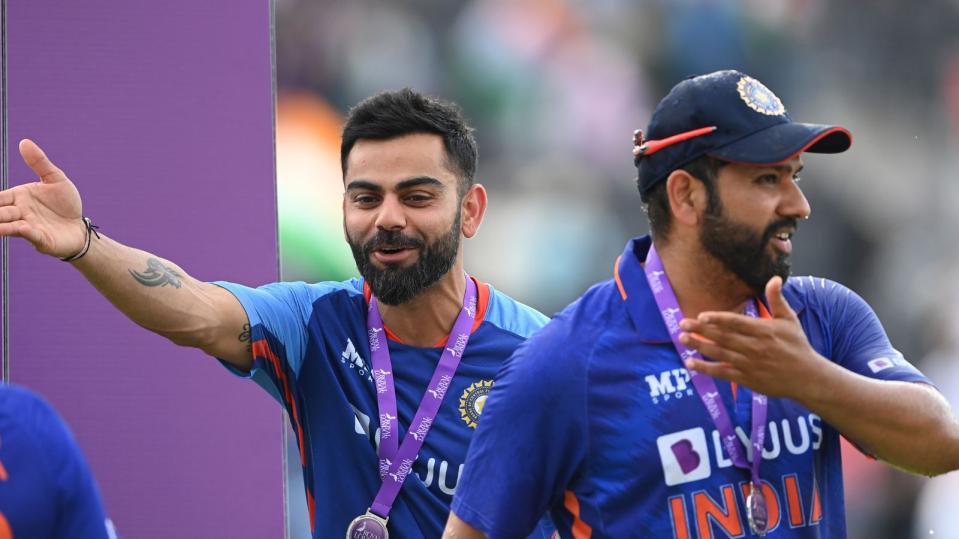
The Board of Control for Cricket in India (BCCI) has tossed the dice. The resulting squad for the 2026 T20 World Cup is a total tactical shocker. With the tournament starting this February, the selectors have ignored the safe, predictable routes.
Instead, they’ve gone for a risky, high-speed strategy. Suryakumar Yadav leads a group that picks raw power over steady run-building. It's a move that has fans and pundits split between excitement and pure nerves.
This isn't just a list of names; it’s a gamble that could just as easily blow up as it could win the trophy. Leaving out steady anchors to bring in explosive hitters shows the selectors are banking on individual genius, but the risks are impossible to ignore.
Why dropping Shubman Gill removes India's "anchor" safety net?
Dropping Shubman Gill is easily the most controversial call. It basically pulls the safety net out from under the batting order. Gill was the guy who could hold an end together while things got messy at the other side.
By letting him go, the management is all-in on an "attack at all costs" plan. The problem is, this logic only works on flat pitches against easy bowling. If India find themselves three down for 30 on a tough surface, they’ll desperately miss a technician who can steady the ship. The team has no clear anchor now. They are relying on aggressive hitters to suddenly play smart if the wickets start tumbling.
The risk of relying on Harshit Rana’s inexperience in death overs
On top of that, giving Harshit Rana the death-over job is a massive leap of faith. It’s almost reckless. The kid has pace and plenty of attitude, but a World Cup death over is a whole different level of pressure.
We’ve seen plenty of talented youngsters get torn apart by world-class finishers. Rana is fiery, but he hasn't been tested in a "win or go home" moment yet. Just one bad yorker can end a tournament. Asking a newcomer to outplay veteran closers is a lot to ask.
Can Hardik Pandya and Shivam Dube actually coexist in the same XI?
The Hardik Pandya and Shivam Dube situation is another headache for the team's balance. Both are pace-bowling all-rounders, but playing them together usually messes with the bowling variety or makes the batting too heavy at the top. If they both play, who sits out?
Is it a specialist bowler or a finisher like Rinku Singh? We’ve seen Dube’s bowling struggle before when he was asked to handle big overs. And while Pandya is essential for balance, his fitness is always a question mark. Having both might give the captain options, but none of them feel completely reliable.
The immense pressure on Abhishek Sharma to perform immediately
Then you have the pressure on Abhishek Sharma. The young opener has to provide those explosive starts. He loves that role, but expecting him to dominate on the world stage right away is a huge ask.
Going from a bilateral series to the World Cup is a massive jump. If Sharma’s high-risk style fails early on, the middle order will be facing the new ball way too often. That kind of pressure can break a team quickly.
Suryakumar’s lack of captaincy experience in ICC tournaments
Suryakumar Yadav’s captaincy is the other big question mark. He’s a genius with the bat historically in this format, but is out of form now. SKY hasn't led a side in an ICC tournament before. Usually, the double weight of captaining and being the star batter is too much for even the best players.
His own numbers have actually dipped since he took the captain's armband. If the stress of making tactical calls ruins his batting, India lose their best weapon. Leading in a World Cup takes a level of composure and tactical smarts that Yadav hasn't had to show on this scale yet.