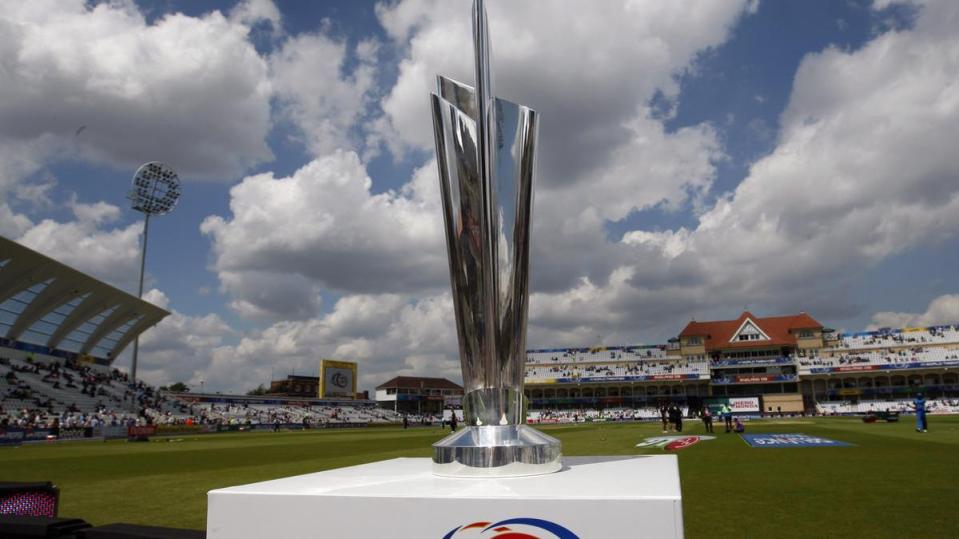
Fans anticipate the February 7 opener. However, a huge diplomatic row between India and Bangladesh threatens to derail the tournament’s integrity. The Bangladesh Cricket Board (BCB) has formally requested a venue shift from India to Sri Lanka.
They cite safety concerns following recent political hostilities and the controversial release of pacer Mustafizur Rahman from the IPL. This standoff forces the International Cricket Council (ICC) into a corner. They are scrambling to hide the true extent of the crisis. Behind the official press releases lie a massive logistical headache and financial gambles. These factors could shatter the event's structure.
The logistical nightmare of a last-minute group swap
The ICC desperately wants to avoid discussing the disastrous domino effect of Bangladesh’s proposal. The BCB has suggested swapping Group C with Ireland in Group B to secure matches in Sri Lanka.
This seemingly simple switch ruins the competitive balance of the entire tournament. Placing Bangladesh into Group B creates a "Group of Death" alongside Australia, Sri Lanka, and Zimbabwe. This move unfairly punishes teams that planned their campaigns months ago.
Ireland, conversely, would land in a weaker group. This would alter their qualification path completely. The ICC would need to immediately reconfigure broadcast crews, security details, and travel arrangements for five different national squads.
The ICC knows that executing this swap essentially restarts the tournament planning from zero. This would risk delayed matches and furious commercial partners.
Why moving matches to Sri Lanka is harder than it looks
Fans assume moving matches merely involves booking a different stadium. The reality is much more difficult. Sri Lanka already hosts a full slate of games in Colombo and Kandy. Squeezing Bangladesh’s fixtures into these venues overloads the pitches.
This risks bad playing surfaces that produce low-scoring, dull cricket. On top of that, Sri Lankan officials have reportedly resisted the move. They fear the logistical strain on their infrastructure. They also worry about the competitive disadvantage of facing a stronger Bangladesh side in their group.
The ICC hides the fact that their "hybrid model" cannot stretch to include another rogue nation. The ICC designed that model to accommodate Pakistan. Expanding it now would break the broadcast schedule and strain relations with the Sri Lankan board.
The financial impact if Bangladesh actually boycotts
Publicly, the BCB Finance Committee Chairman claims a boycott would inflict zero financial damage on the board. He cites revenue shares that the ICC fixed until 2027. This confident talk hides a much grimmer financial truth.
The board might survive the immediate blow, but a withdrawal triggers a breach of contract. If that happens, the ICC could withhold future distributions. The players face the most immediate danger. They would lose out on substantial match fees and tournament bonuses.
More critically, a boycott risks Bangladesh’s position in the Future Tours Programme. Other nations may refuse to tour Bangladesh, citing the same instability. This would effectively isolate the team and dry up the money from broadcast rights that sustain the sport in Dhaka.
How this distraction is destroying the team’s on-field preparation
Administrators fight in boardrooms while the squad suffers on the field. Captain Litton Das leads a team that currently does not know where they will sleep or play in three weeks. This uncertainty makes it impossible to focus on training.
Players face constant media questions about political safety and visa rejections instead of analysing opposition bombers. Representing a nation in diplomatic turmoil takes a heavy psychological toll. It strips away the mental awareness that elite competition requires.
The ICC fears that one of its full member nations will arrive at the showcase event as a distracted, unprepared participant rather than a competitor. This lowers the standard of cricket and turns high-profile matches into non-contests.